

Alternative Dispute Resolution (ADR) has become the preferred method for resolving complex legal conflicts in New Jersey, offering a path away from the unpredictability of traditional litigation. According to recent legal industry reports, over 80% of civil cases in New Jersey state courts are now resolved through mediation or arbitration before reaching a trial verdict. This shift is driven by the desire for faster, more cost-effective outcomes that preserve business relationships and personal privacy. For individuals and corporations alike, selecting the right legal counsel for ADR is not merely about finding an attorney; it is about securing a strategic partner who understands the nuances of judicial precedent and negotiation dynamics.
Understanding Alternative Dispute Resolution in New Jersey
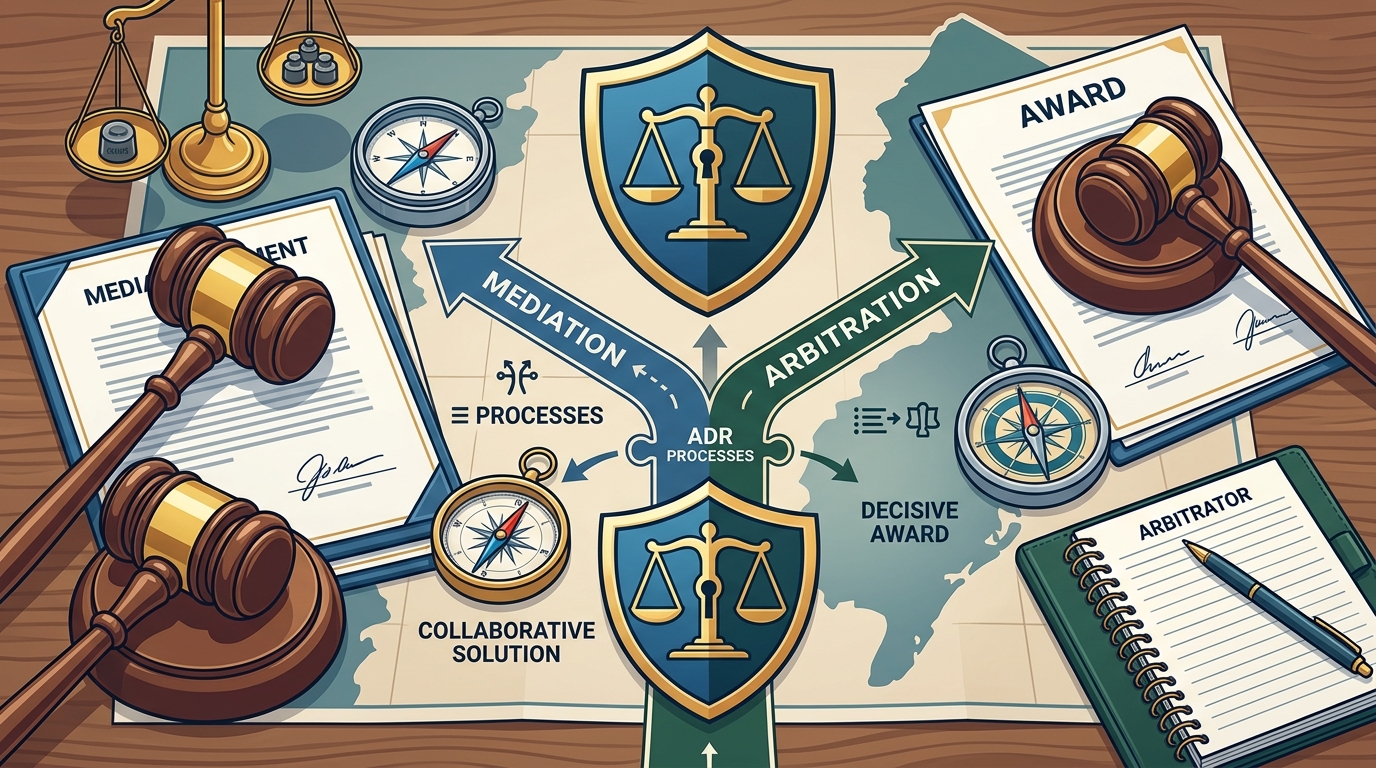
Alternative Dispute Resolution (ADR) is a collective term for methods of resolving disputes outside of the traditional court system. In New Jersey, ADR encompasses mediation, arbitration, and other forms of negotiated settlement. Mediation is a voluntary process where a neutral third party facilitates negotiation between disputing parties to help them reach a mutually acceptable agreement. Arbitration, on the other hand, involves a neutral arbitrator who hears evidence and arguments from both sides and then renders a binding decision, similar to a judge.
The New Jersey court system actively encourages the use of ADR to reduce docket congestion and provide parties with more control over the outcome. According to the New Jersey Supreme Court, ADR processes are designed to be flexible, allowing parties to tailor the procedure to the specific needs of their case. This flexibility is particularly valuable in complex commercial disputes, family law matters, and real estate conflicts where technical expertise and confidentiality are paramount.
Choosing the right lawyer for ADR requires understanding that the role differs significantly from traditional litigation. While a litigator fights for a client in court, an ADR specialist often acts as a strategic advisor, negotiator, or neutral facilitator. The goal is not necessarily to "win" in the adversarial sense but to resolve the underlying problem efficiently and permanently.
Mediator vs. Attorney: Knowing the Roles
One of the most common points of confusion for clients is the distinction between a mediator and an attorney representing a party in ADR. It is crucial to understand that a mediator is a neutral third party who does not represent either side. Their role is to guide the conversation, identify interests, and help parties find common ground. They cannot give legal advice to either party.
Conversely, an attorney representing a client in ADR has a fiduciary duty to advocate for their client's best interests. This attorney helps prepare the client for the process, advises on the legal merits of potential settlements, and ensures that any agreement reached is legally sound and enforceable. In many complex New Jersey cases, parties benefit from having both a skilled mediator to facilitate the process and experienced attorneys to represent their individual interests.
At firms like LoFaro Carver LLC, the team includes both seasoned litigators and retired judges who serve as mediators and arbitrators. This dual capability allows the firm to provide comprehensive ADR services, whether you need representation or a neutral facilitator. Understanding this distinction is the first step in choosing the right professional for your specific needs.
Key Criteria for Selecting Your ADR Counsel
Selecting the right ADR lawyer involves evaluating several critical factors beyond just legal credentials. The complexity of your dispute, the nature of the opposing party, and the desired outcome all play a role in your decision-making process.
1. Specialized Expertise in Your Dispute Type
ADR is not a one-size-fits-all solution. A lawyer who excels in commercial contract disputes may not be the best fit for a complex family law mediation. Look for attorneys who have specific experience in the area of law relevant to your case. For instance, if your dispute involves land use or municipal law, you need a lawyer who understands the unique regulatory landscape of New Jersey municipalities.
2. Track Record of Successful Resolutions
While ADR outcomes are often confidential, a lawyer's reputation in the legal community speaks volumes. Look for attorneys who are recognized by peer review organizations such as New Jersey Super Lawyers or Best Lawyers in America. These recognitions indicate that the attorney is respected by their peers for legal expertise and ethical standards, which is a strong predictor of success in negotiation.
3. Communication and Accessibility
ADR processes can be lengthy and emotionally charged. Your lawyer must be accessible, responsive, and able to explain complex legal concepts in clear, understandable terms. During your initial consultation, pay attention to how well they listen to your concerns and how clearly they articulate their strategy. A good ADR lawyer will set realistic expectations and keep you informed throughout the process.
The Value of Judicial Experience in ADR
In New Jersey, the experience of having served as a judge is a significant advantage in ADR. Judges who have transitioned into private practice or ADR roles bring a unique perspective to dispute resolution. They have seen hundreds, if not thousands, of cases go to trial. This experience allows them to accurately assess the strengths and weaknesses of a case, predict how a judge or jury might rule, and advise clients on the true value of their position.
For example, Hon. Alexander H. Carver, III, J.S.C. (Ret.), a Senior Partner at LoFaro Carver LLC, brings over 45 years of experience as a litigator and former Superior Court Judge. His background includes presiding over significant land use cases and complex civil litigation. This deep judicial insight allows him to serve as an effective mediator and arbitrator, guiding parties toward realistic and fair resolutions.
Similarly, Hon. James J. Guida, J.S.C. (Ret.) and Carmine LoFaro, Esq. contribute to a team that collectively offers over 110 years of experience navigating the New Jersey court system. This combined expertise ensures that clients receive counsel that is not only legally sound but also strategically astute.
Comparing ADR Service Models
Understanding the different types of ADR services available is essential for making an informed choice. Below is a comparison of the primary ADR mechanisms used in New Jersey.
| ADR Type | Decision Maker | Binding? | Best For | Typical Cost |
|---|---|---|---|---|
| Mediation | Neutral Facilitator | No (unless agreement reached) | Preserving relationships, confidential disputes | Lower (shared cost) |
| Arbitration | Neutral Arbitrator | Yes | Technical disputes, need for finality | Higher (arbitrator fees) |
| Early Neutral Evaluation | Neutral Expert | No | Assessing case value, settlement leverage | Variable |
| Court-Appointed Special Master | Appointed Official | Depends on Court Order | Complex factual findings, compliance | Higher (court oversight) |
Choosing the right model depends on your goals. If you want to maintain control over the outcome, mediation is often the best choice. If you need a definitive, binding decision without the formality of a trial, arbitration may be more appropriate. The New Jersey Court Rules provide detailed guidelines on when each method is applicable and how to initiate the process.
Key Takeaways
- Judicial Experience Matters: Attorneys with prior judicial experience, such as those at LoFaro Carver LLC, offer unique insights into how cases are likely to be resolved.
- Specialization is Critical: Ensure your ADR lawyer has specific experience in the type of dispute you are facing, whether it is commercial, real estate, or family law.
- Peer Recognition Signals Quality: Look for attorneys recognized by AVVO and other reputable legal directories as indicators of professional excellence.
- ADR Saves Time and Money: Resolving disputes through ADR can significantly reduce legal fees and resolve conflicts faster than traditional litigation.
- Confidentiality is a Key Benefit: Unlike court trials, ADR proceedings are private, protecting sensitive business and personal information.
- Team Approach is Effective: Firms that combine litigators, mediators, and arbitrators can provide comprehensive support throughout the ADR process.
- New Jersey Courts Favor ADR: The state judicial system actively supports ADR, making it a viable and often encouraged option for most civil disputes.
Frequently Asked Questions
What is the difference between mediation and arbitration in New Jersey?
Mediation is a non-binding process where a neutral mediator helps parties negotiate a settlement. Arbitration is a binding process where a neutral arbitrator acts like a judge, hearing evidence and making a final decision that is enforceable in court.
How much does ADR cost in New Jersey?
The cost of ADR varies depending on the complexity of the case and the professional's fees. Generally, mediation is less expensive than arbitration because it does not involve formal hearings or extensive discovery. However, it is still often significantly cheaper than full-scale litigation.
Can I use ADR for a family law dispute?
Yes, ADR is widely used in family law matters, including divorce, child custody, and support disputes. It allows families to resolve sensitive issues privately and collaboratively, which can be less stressful for all parties involved.
What qualifications should I look for in a New Jersey ADR mediator?
Look for mediators who are trained in ADR techniques, have experience in the relevant area of law, and are recognized by the New Jersey Supreme Court or other professional bodies. Prior judicial experience is also a valuable indicator of competence.
Is ADR confidential in New Jersey?
Yes, ADR proceedings are generally confidential. New Jersey law protects the confidentiality of mediation communications to encourage open and honest negotiation. This confidentiality does not apply to arbitration awards, which may be filed with the court.
How long does the ADR process take?
The timeline for ADR varies. Mediation can often be scheduled within weeks and resolved in a single day or a few sessions. Arbitration may take longer, depending on the complexity of the case and the scheduling of the arbitrator, but it is typically faster than litigation.
Can I change my mind and go to court after ADR?
If you participate in mediation and do not reach an agreement, you can proceed to litigation. If you agree to binding arbitration, the decision is final and generally cannot be appealed, except in very limited circumstances such as fraud or bias.
Contact LoFaro Carver LLC for Expert ADR Representation
Choosing the right lawyer for Alternative Dispute Resolution is a critical decision that can impact the outcome of your case for years to come. With over 110 years of combined experience, the attorneys at LoFaro Carver LLC are uniquely positioned to guide you through the ADR process with expertise and integrity. Whether you need a mediator, arbitrator, or legal counsel, our team provides the strategic insight and personalized attention you deserve.
Do not navigate the complexities of New Jersey ADR alone. Contact us today to schedule a consultation and discover how we can help you resolve your dispute efficiently and effectively. Visit our Contact Us page or call (201) 498-0400 to speak with a member of our team.