

New Jersey courts handle a wide variety of commercial conflicts, with contract breaches, shareholder disagreements, and real estate lease issues being the most frequent. These matters often involve significant financial stakes and complex statutory requirements. LoFaro Carver LLC represents clients in these high-stakes environments, providing strategic counsel for businesses navigating the Garden State's legal landscape. Understanding the specific nature of these disputes helps business owners anticipate risks and protect their interests effectively.
Contract Breach and Performance Disputes
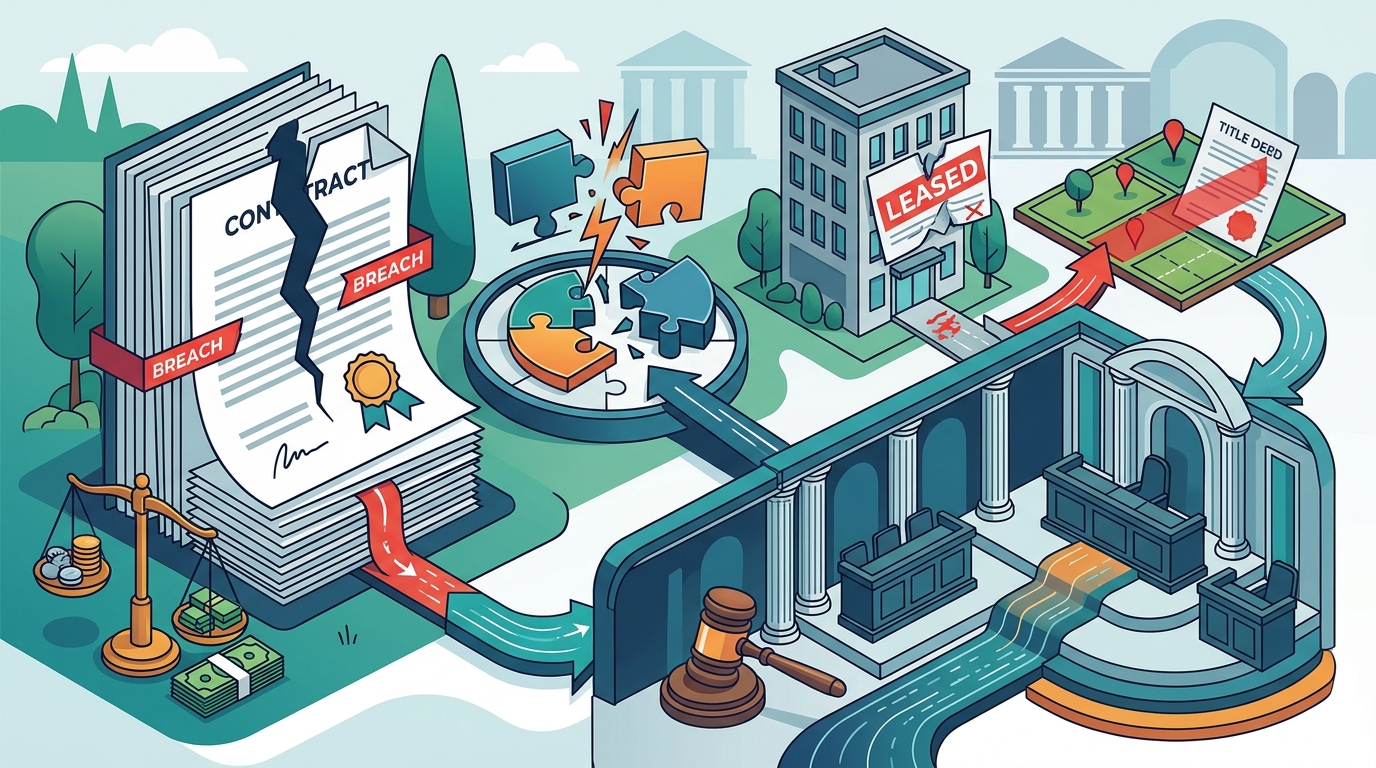
Contract disputes form the backbone of commercial litigation in New Jersey. A contract breach is the failure to perform a duty as specified in a legally binding agreement. These cases often arise from misunderstandings about deliverables, payment terms, or termination clauses. For example, a software development firm might dispute a client's refusal to pay the final installment, citing alleged defects in the code. The court must then determine whether the performance met the contractual standard. This requires a detailed review of the written terms and any subsequent communications between the parties.
Shareholder and Partnership Conflicts
Internal corporate disputes are another major category of commercial litigation. A shareholder dispute is a conflict between owners of a corporation regarding management, profits, or corporate direction. These cases frequently involve allegations of breach of fiduciary duty, where one party claims another acted against the company's best interests. A common scenario involves a minority shareholder suing a majority owner for excluding them from decision-making processes. The New Jersey Business Corporation Act provides specific remedies for such situations, including the right to buy out shares at fair value.
Partnership disputes follow similar patterns but are governed by the Uniform Partnership Act. The complexity increases when the partnership agreement is silent on key issues like deadlock resolution. In these matters, courts often look to the intent of the parties at the time of formation. The implication is that robust governance documents are essential for any multi-owner business structure. Experienced attorneys often recommend regular reviews of operating agreements to ensure they reflect the current business reality.
Real Estate and Lease Disputes
Commercial real estate disputes are prevalent in New Jersey due to the state's significant property market. A lease dispute is a conflict arising from the interpretation or enforcement of a commercial rental agreement. These cases often involve issues like maintenance responsibilities, rent abatement, or early termination penalties. For instance, a retail tenant might claim that the landlord failed to maintain the HVAC system, rendering the space unusable for business. The court must then assess whether the landlord breached the lease terms or if the tenant is liable for unpaid rent.
Land use and zoning issues also fall under this category, particularly in Bergen County and other suburban areas. These disputes can delay projects for months or years. The implication for developers and property owners is that early legal review of zoning compliance is crucial. Real estate law specialists often navigate these complex regulatory frameworks to protect their clients' investments and timelines.
Intellectual Property and Licensing Conflicts
Intellectual property (IP) disputes are growing in frequency as businesses rely more on digital assets and proprietary technology. An IP licensing dispute is a conflict over the scope, usage, or compensation for the use of protected intellectual property. These cases often involve software licenses, trademarks, or trade secrets. A common example is a former employee using a company's client list for a new venture, raising trade secret misappropriation claims. New Jersey courts apply both state law and federal IP statutes to resolve these matters.
The evidence in IP cases is often technical and requires expert testimony. The implication for businesses is that clear IP ownership and licensing terms must be established from the outset. Confidentiality agreements and non-compete clauses play a vital role in protecting these assets. Carmine LoFaro and other firm partners handle these complex matters, ensuring that clients' innovative assets are protected in the marketplace.
Key Takeaways
- Contract breaches are the most common type of commercial dispute in New Jersey courts.
- Shareholder disputes often involve allegations of breach of fiduciary duty and require detailed corporate governance review.
- Commercial real estate lease disputes frequently center on maintenance responsibilities and rent obligations.
- Intellectual property conflicts are increasing, particularly involving software licenses and trade secrets.
- Clear, well-drafted agreements are the best defense against most commercial litigation.
- Regular legal reviews of operating agreements and lease terms can prevent costly conflicts.
- Specialized legal counsel is essential for navigating the specific statutory requirements of New Jersey commercial law.
Frequently Asked Questions
What is the most common commercial dispute in New Jersey?
Contract breach is the most frequent type of commercial dispute. These cases involve one party claiming that the other failed to fulfill their obligations under a written or oral agreement. The court's role is to interpret the contract terms and determine if a breach occurred.
How long do commercial litigation cases take in New Jersey?
The duration varies significantly based on complexity and court backlog. Simple contract disputes may resolve in months, while complex shareholder or IP cases can take years. Early mediation or arbitration can often shorten this timeline.
Can commercial disputes be resolved without going to trial?
Yes, many disputes are resolved through alternative dispute resolution methods like mediation or arbitration. These processes are often faster and less expensive than full litigation. Alternative dispute resolution services are a key part of modern commercial practice.
What are fiduciary duties in a corporate context?
How does New Jersey law treat non-compete agreements?
New Jersey courts enforce non-compete agreements if they are reasonable in scope, duration, and geography. The agreement must protect a legitimate business interest, such as trade secrets or customer relationships. Overly broad restrictions may be struck down by the court.
What should I do if I receive a lawsuit?
Do not ignore the lawsuit. Respond within the deadline specified in the court papers. Consult with an attorney immediately to assess the claims and develop a defense strategy. Delaying can result in a default judgment against you.
Conclusion
Commercial disputes in New Jersey span a wide range of legal issues, from simple contract breaches to complex corporate governance conflicts. Each type of dispute requires specific legal knowledge and strategic planning. LoFaro Carver LLC offers comprehensive legal services to help businesses navigate these challenges. By understanding the common types of commercial disputes, business owners can take proactive steps to protect their interests and avoid costly litigation. Learn more: Contact Us New Jersey.